
The Historical Itinerary
Overview
As the ancient capital of Scotland, Perth plays an important role in Scottish history, and is a popular destination amongst those who wish to explore the heritage and stories of our country.
Reach out into the wider area and you will find a wealth of information that illustrates Scotland's untamed past, its bloody history and its exciting journey from the Iron Age to the Jacobite rebellion and through to the Victorian period and beyond. It is here in Perthshire that Scottish kings were crowned and toppled, where Iron Age loch dwellers left their mark, and where the Black Watch (Royal Highlanders) was officially formed in 1739.
Day One: Perth Museum, North Inch and The King James Pub
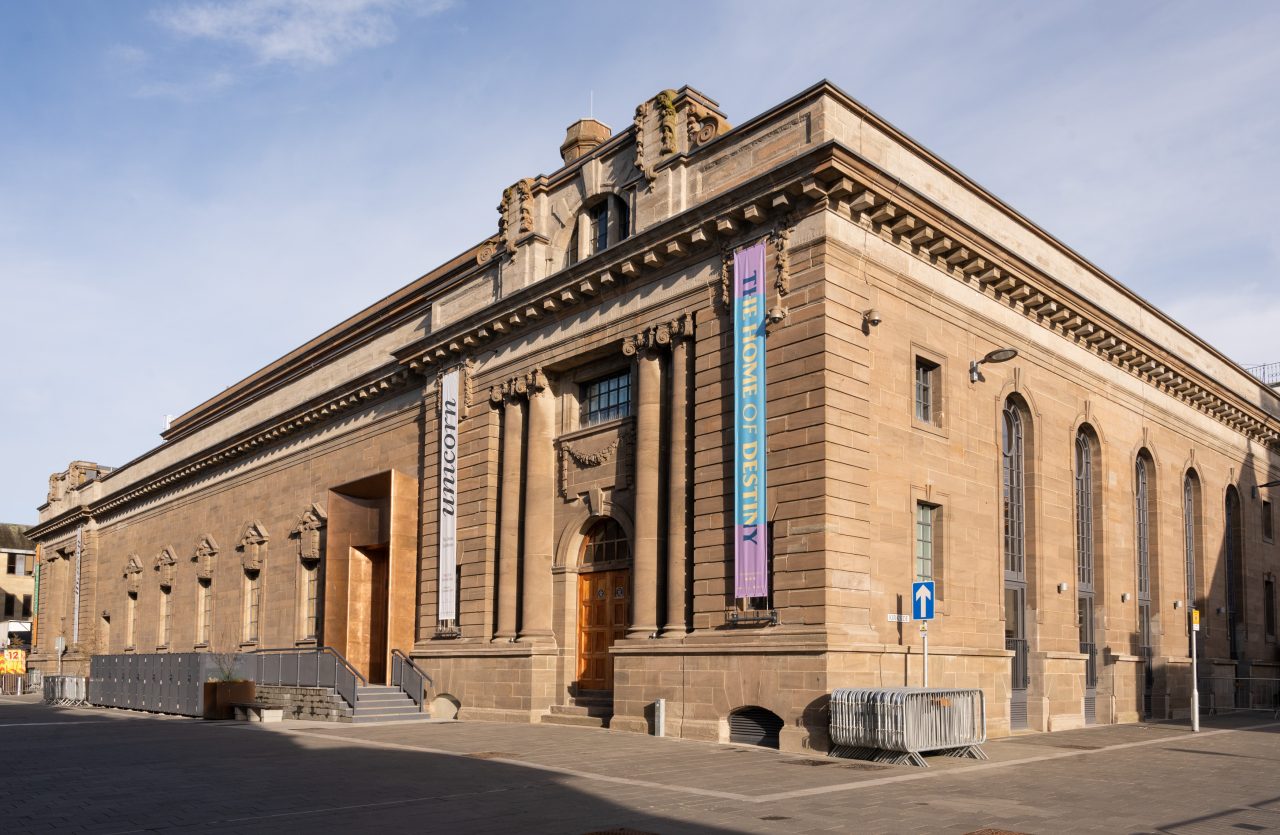
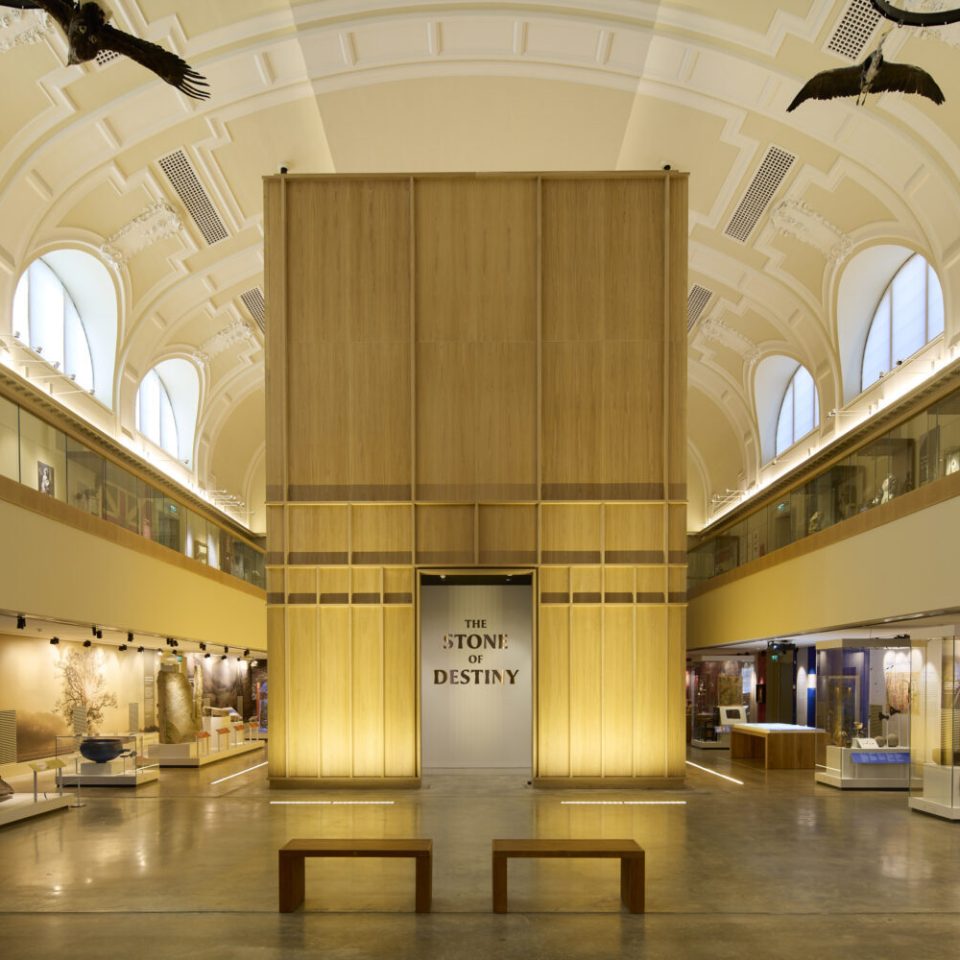
The perfect way to start your historical adventure is in a place that pulls together all things history – Perth Museum. The museum spans over two floors and allows you to explore Scottish history in all its colours. Here you can find visiting and temporary exhibitions alongside an array of historical objects, including the iconic Stone of Destiny (also known as the Stone of Scone), one of Scotland and the UK's most significant historical artefacts.
Just a short walk from Perth Museum you’ll find the North Inch, a pleasant riverside walk that was also the site of the Battle of the Clans in 1396 and a muster point for armies during the Jacobite uprising in 1715 and 1745.
And to round the day off, visit The King James pub, the location of the grisly murder of King James I in 1437. You can even see the original foundations of the building dating to 1231 through a viewing window at the bar!
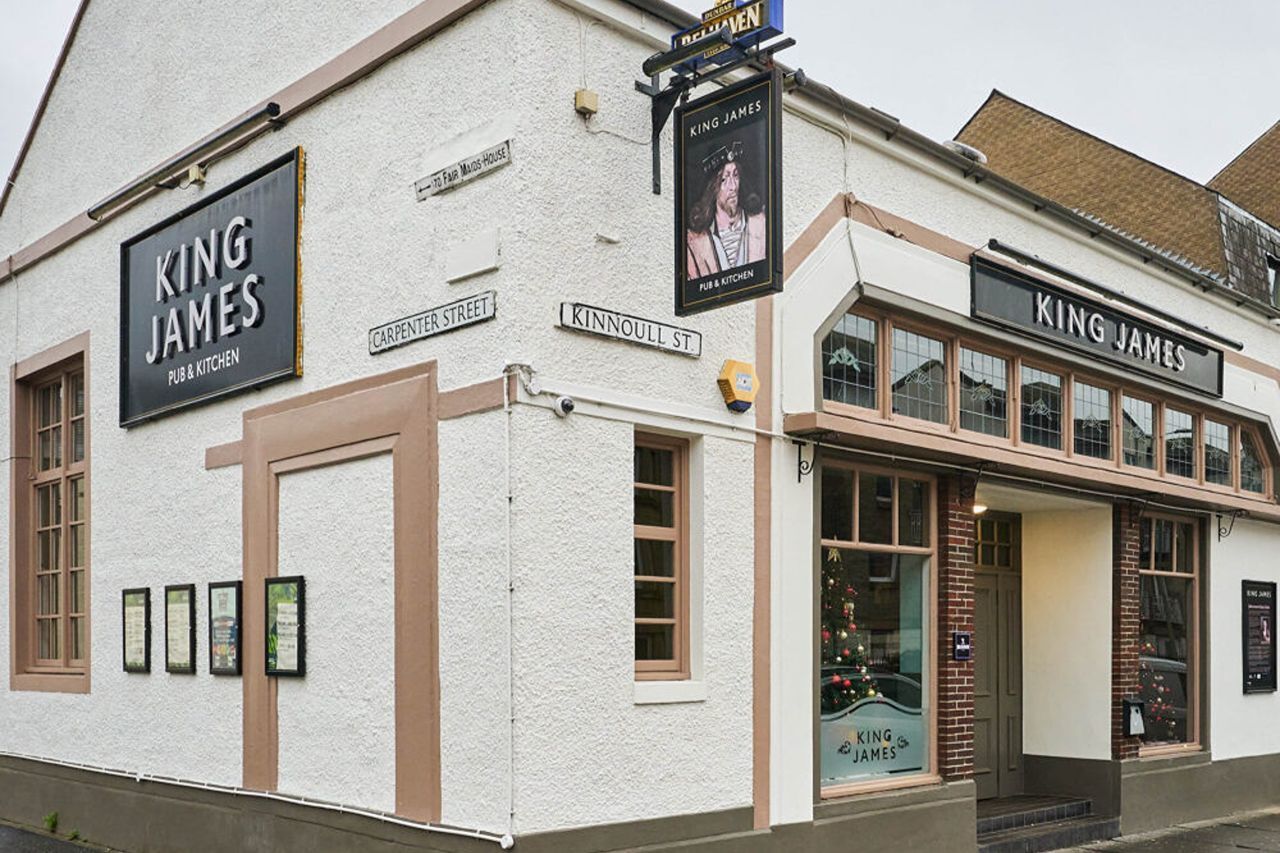
Enjoy a relaxed atmosphere with a creepy history
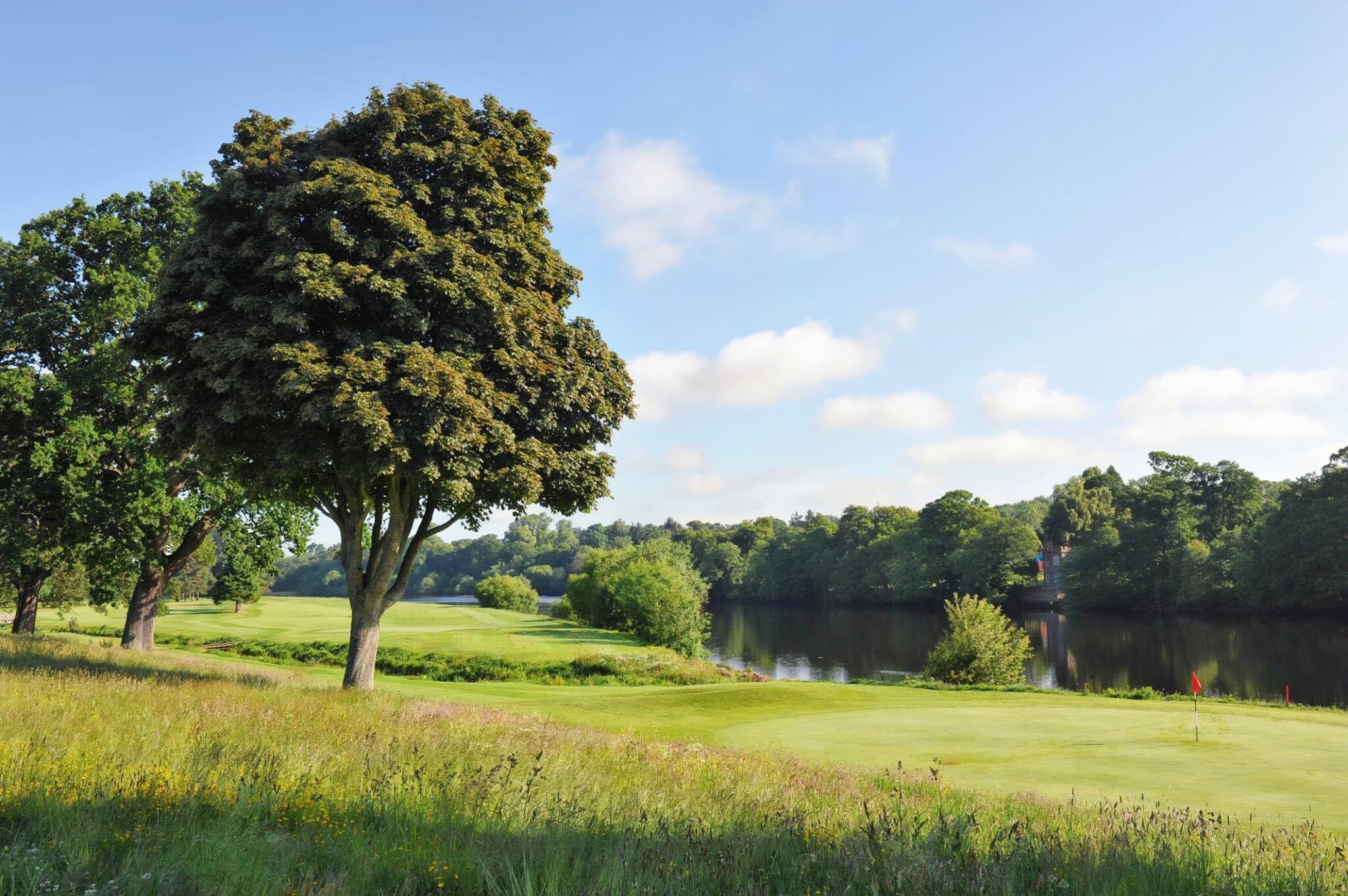
A beautiful riverside walk
Day Two: Black Watch Museum, Greyfriars Burial Ground, Medieval Walk
Start the day with honour, at the Black Watch Castle & Museum. Since its formation in 1739 The Black Watch is the oldest Highland regiment, and still exists today as the 3rd Battalion of The Royal Regiment of Scotland. With daily guided tours through the regiment’s 250-year history up to the present day, you will learn the incredible stories of soldiers from years gone by - many told in their own words.
Next, let your morbid curiosity take over and visit Greyfriars Burial Ground. Opened in 1580, the site offers a fascinating walk amongst almost 500 years of Perth’s inhabitants. Marvel at one of the best collections of early headstones in Scotland, and the skill involved in creating such highly ornate carvings.
Enjoy more of Perth’s hidden history with a self-guided tour of medieval Perth. Download the map from the Medieval Trail website to discover a trail that begins on Tay Street at the Sherriff Court, and eleven stops later, finishes at the South Inch car park. Points of interest include the wonderful St Matthew’s Church, and the historic King James VI Hospital.

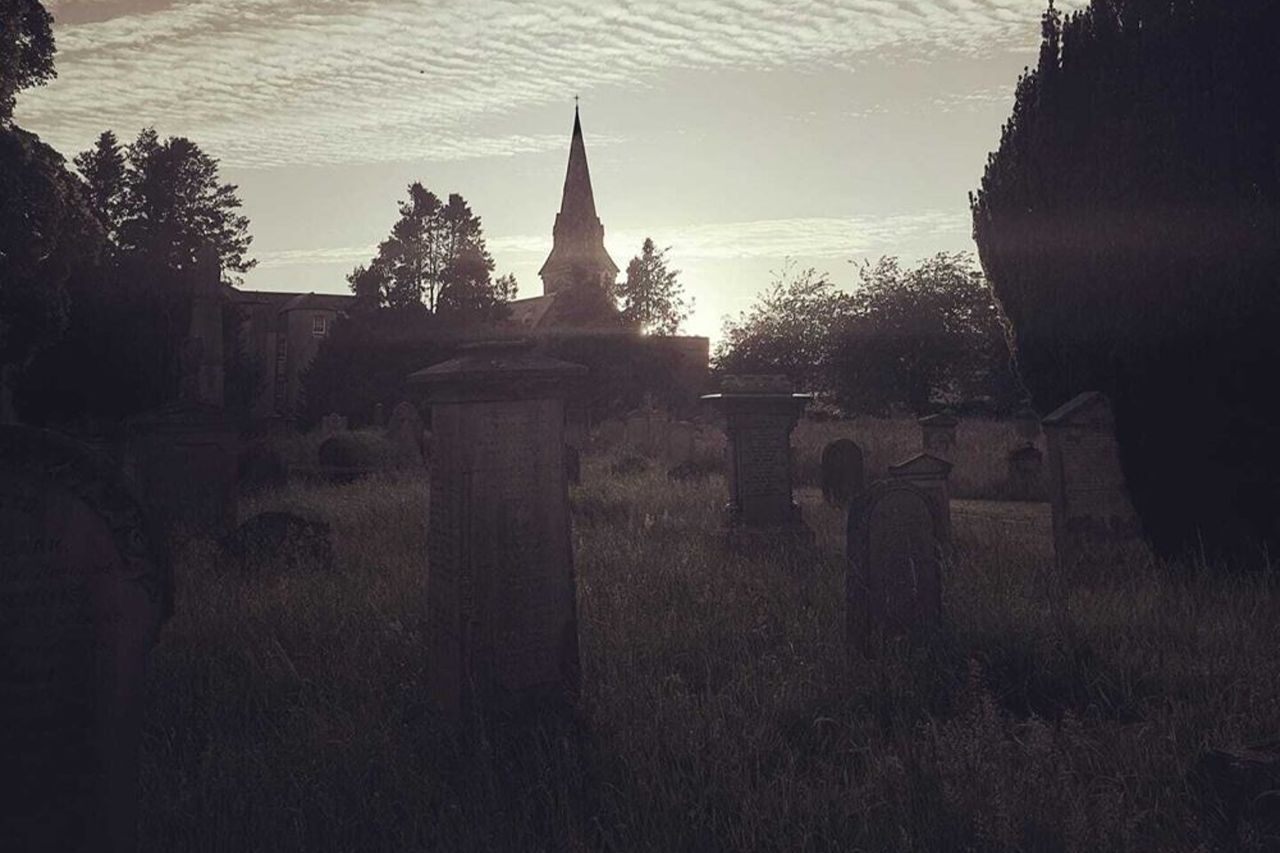
Explore the lives of Perth's inhabitants
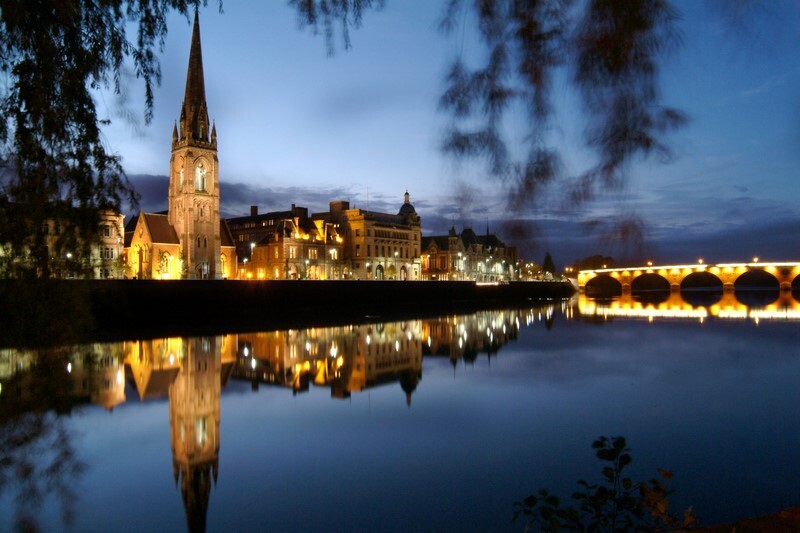
Explore Perth's hidden medieval history
Day Three: Scone Palace and Gardens
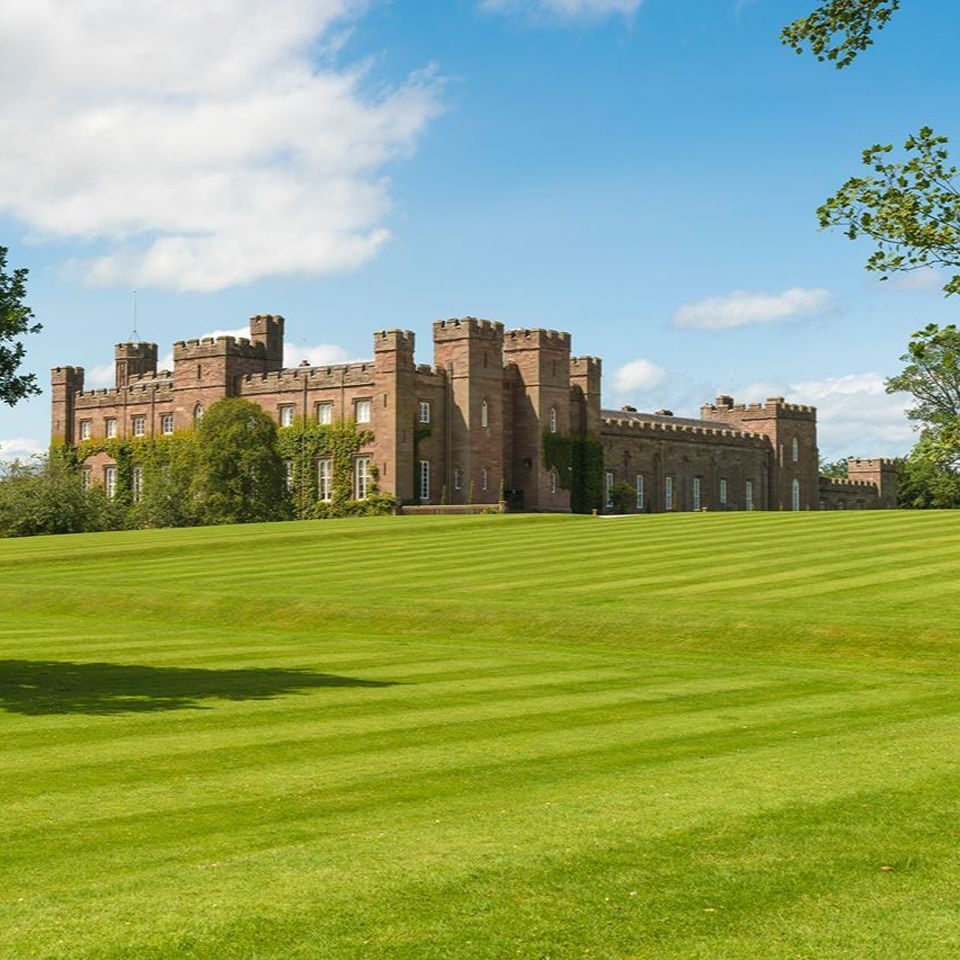
Perhaps one of the most important Scottish attractions, Scone Palace, the crowning place of Scotland’s kings, is just a short bus ride or car trip from the city centre. Interestingly, Scone has always held an important place in the history of Scotland - two thousand years ago it was the most northern limit of the Roman Empire, who were never able to defeat the Picts who ruled here. The Palace itself witnessed many years of turbulence, starting with Kenneth MacAlpin, the first King of Scots, and ending with Charles II in 1651, the last king to be crowned at Scone. Today, you can enjoy a walk around the historic hallways, and see the rooms where kings and queens dined, and the chambers where they slept.
Just outside you’ll find the Palace Gardens, home to an old sycamore tree believed to be planted by James IV and I in 1617 during his only visit to Scotland following the Union of the Crowns in 1603.
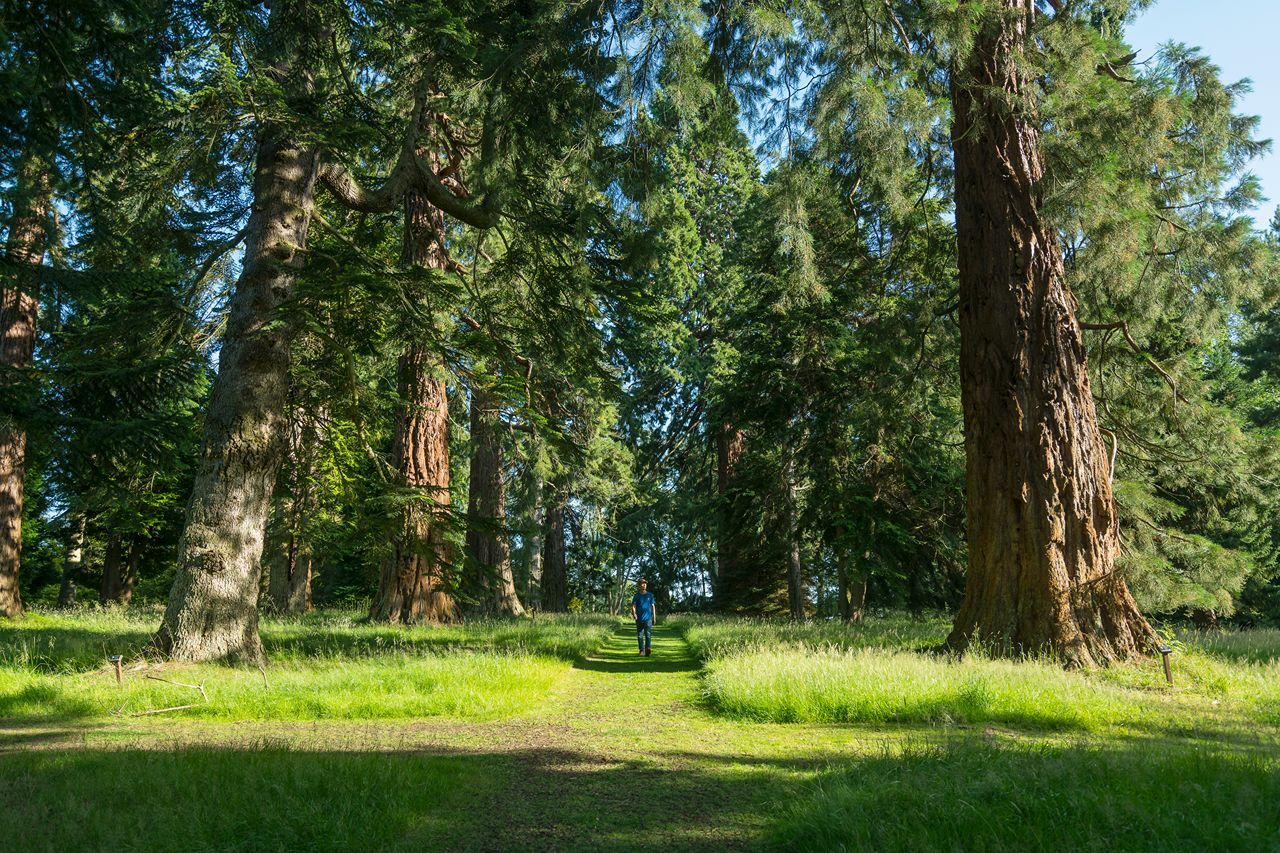
Scone Palace Arboretum
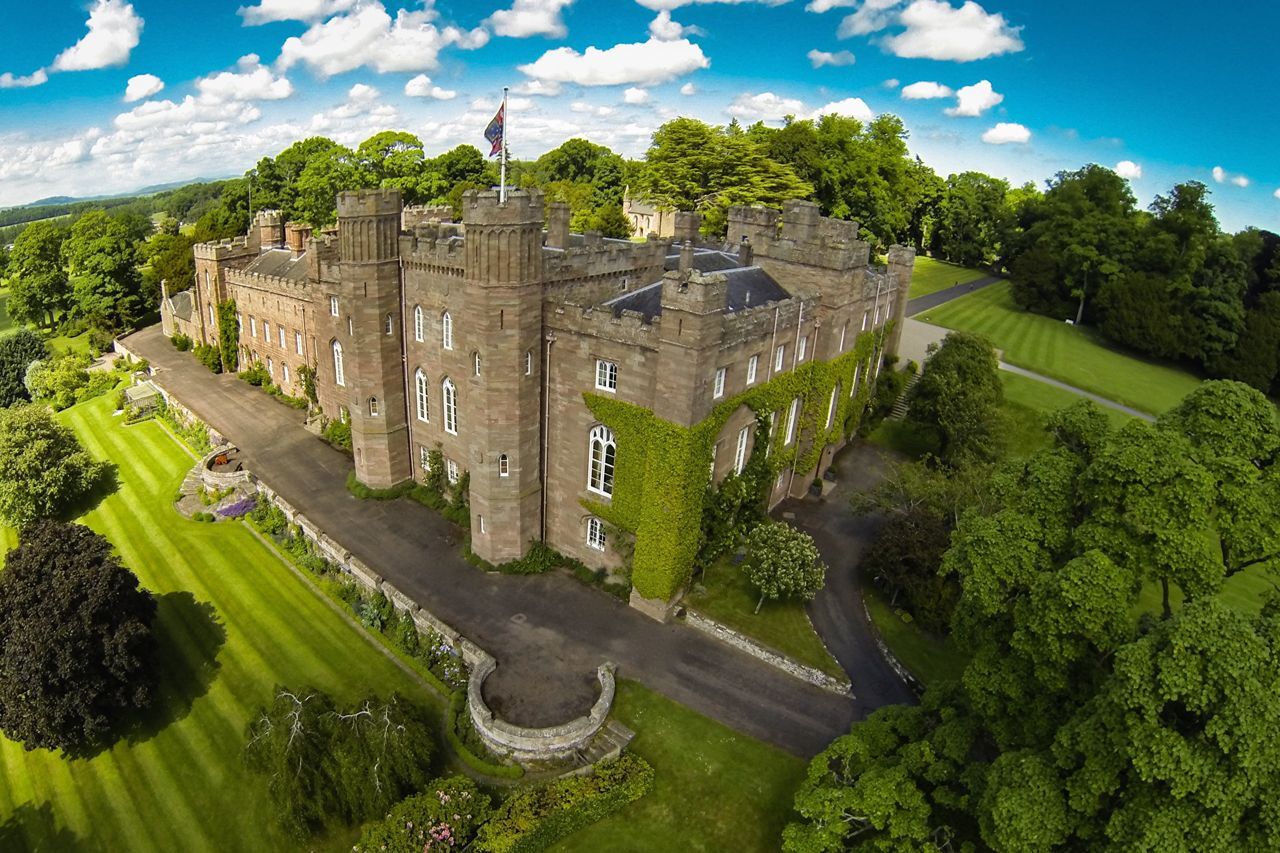
Scone Palace
Day Four: Killiecrankie Visitor Centre and Blair Castle
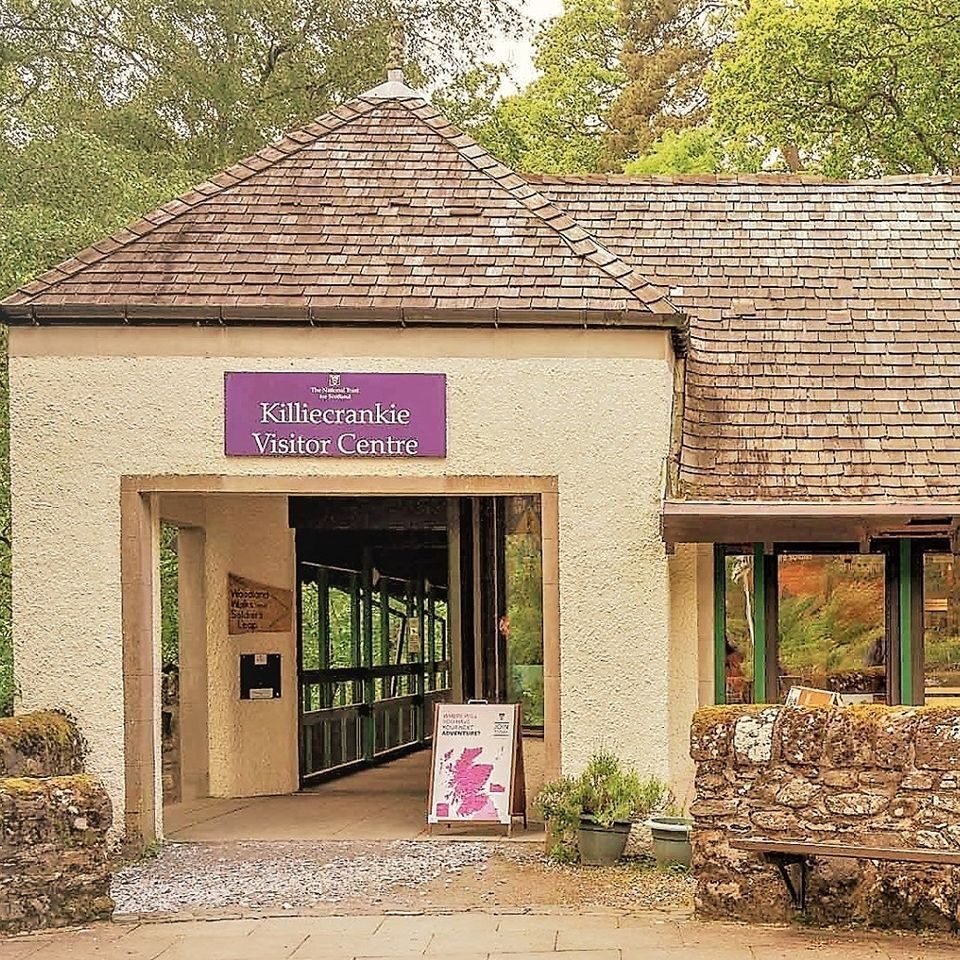
Discover the dramatic history of the Jacobite Battle of Killiecrankie through stories, weapons and replica displays at the visitor centre. This pivotal 1689 battle saw Bonnie Dundee lead Jacobite forces to victory, with nearby Soldier’s Leap marking the legendary escape of Donald McBane across the River Garry.
Continue to Blair Castle in Blair Atholl, a magnificent stately home that has been shaped by 19 generations of the Stewarts and Murrays of Atholl. Spanning over 750 years of history, the castle’s 30 rooms showcase a rich blend of medieval and later architectural styles.
End your day in Pitlochry at the Old Mill Inn, a historic 19th-century building once home to a working mill, where original features such as the water wheel can still be seen in the pub garden.
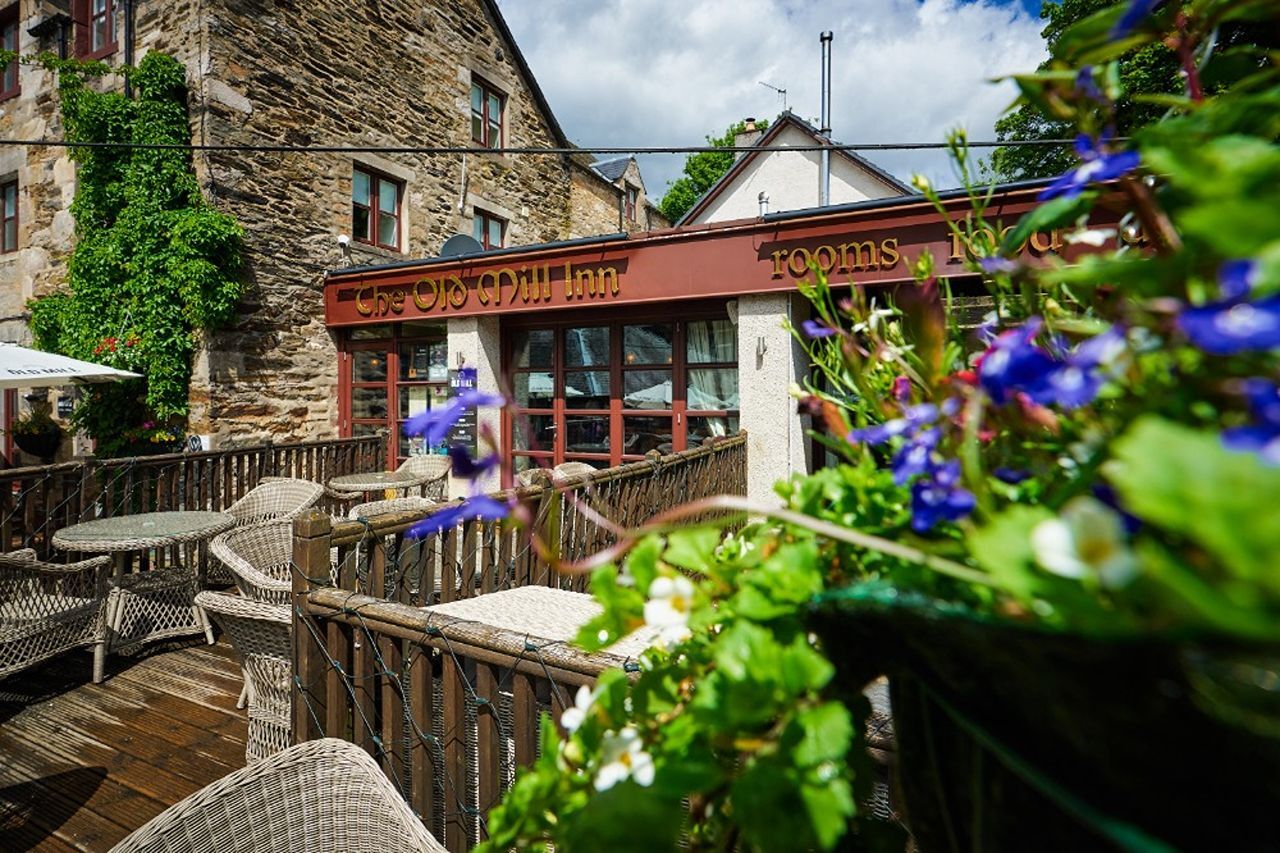
A historical stop for a pint and bite to eat
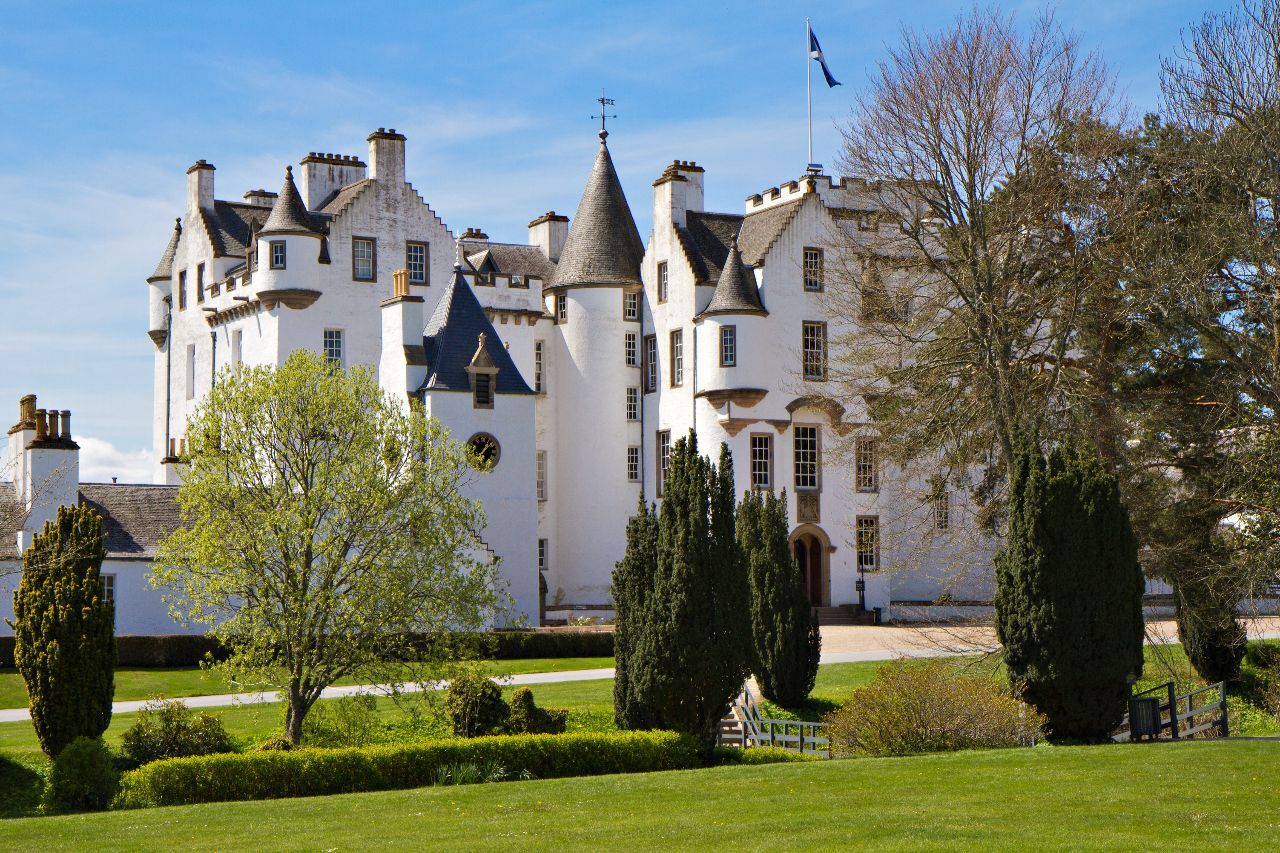
Blair Castle & Grounds
Day Five: Crannog Centre, Fortingall Yew Tree, Wade's Bridge
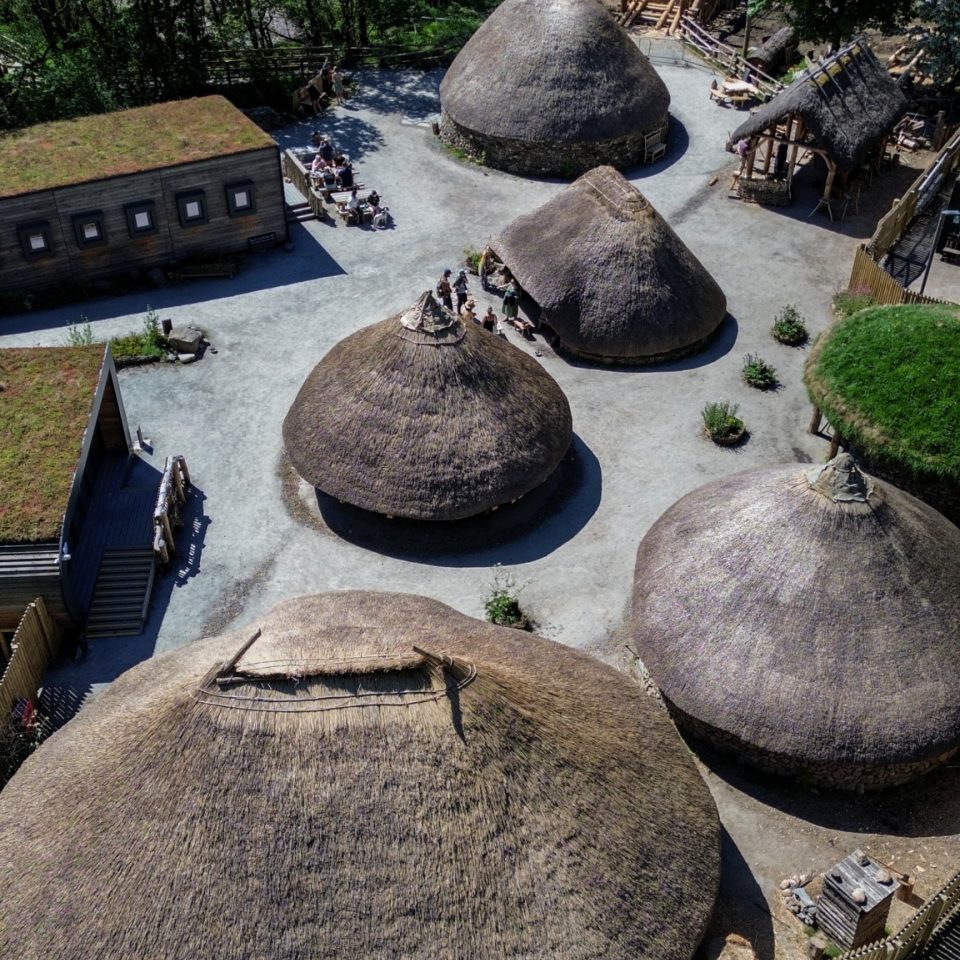
Make your way to the Scottish Crannog Centre, situated along Loch Tay. The Scottish Crannog Centre celebrates the way of life for people in Scotland’s ancient Iron Age. Here you can discover the lives of Scotland’s ancient ancestors through a series of hands-on activities and workshops, as well as a guided tour of the Iron Village and museum delivered by Iron Age Interpreters.
Next, take a quick 5-mile drive up to the Fortingall Yew Tree, the oldest tree in Britain and believed to be one of the oldest living things in Europe, with estimates of its age ranging from 2,000 to 9,000 years old. The yew is in the Fortingall Churchyard and has connections to early Christianity in Scotland.
Back in Aberfeldy, take a stroll over the famous Wade's Bridge. Following the Jacobite uprising of 1715, General George Wade was appointed to carry out his own recommendations for securing the Highlands of Scotland. An important aspect of these was the construction of a series of military roads, one of which passes through Aberfeldy, and which occasioned the building of Wade's Bridge across the River Tay, complete in 1733.
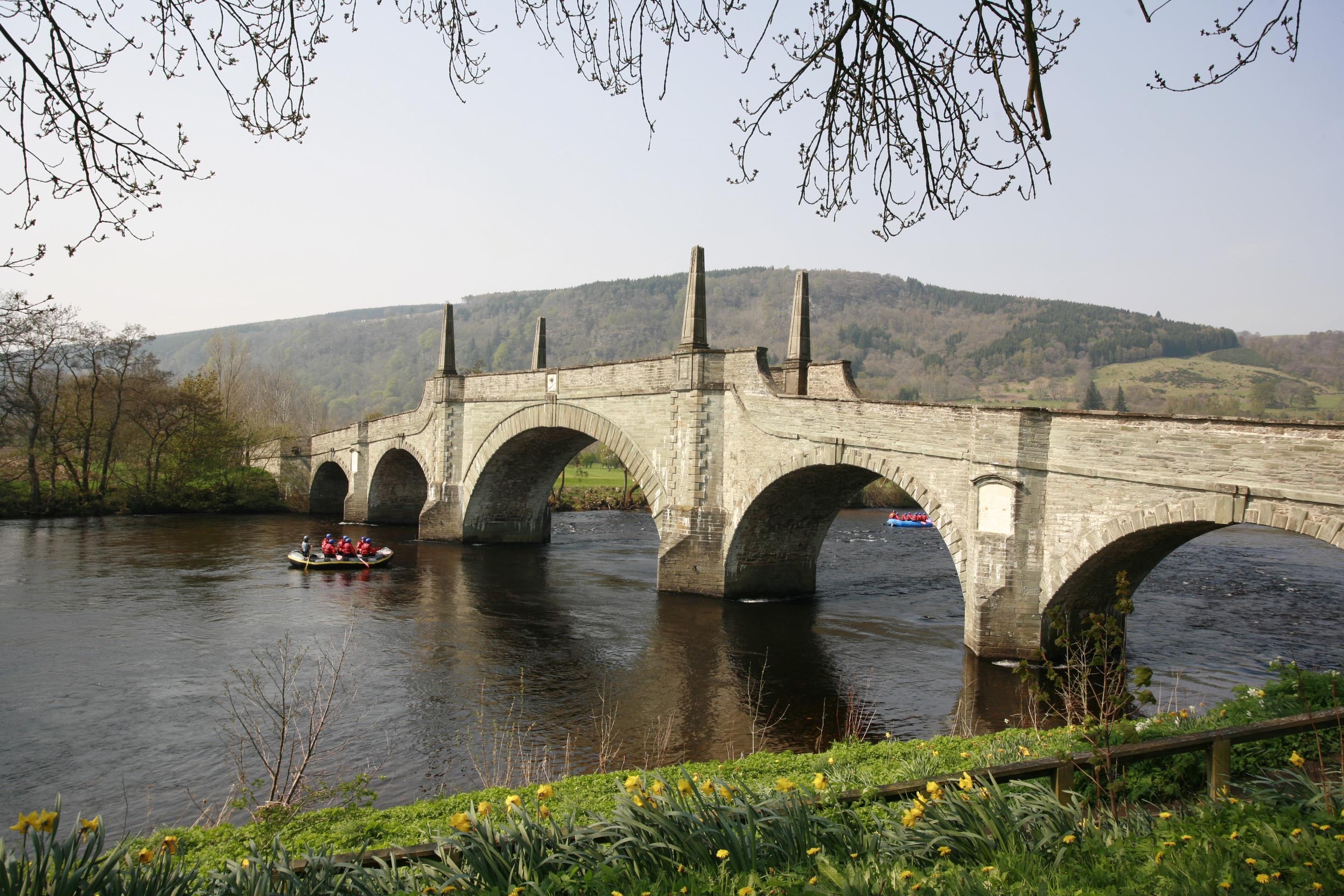
Walk over Aberfeldy's famous historical landmark
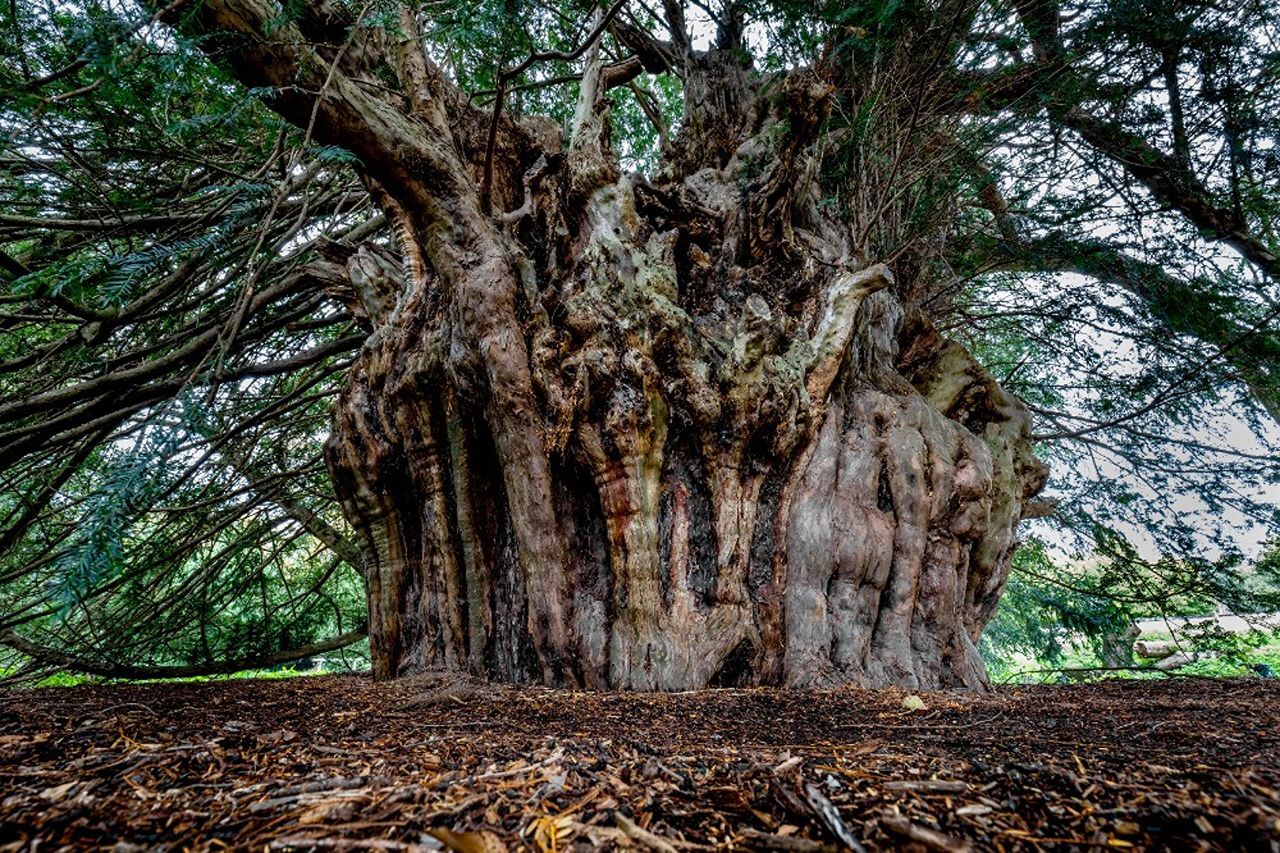
The yew has witnessed all of Scotland's history