History
As the ancient capital of Scotland, Perth sits at the heart of the nation’s story and remains one of the country’s most important historic destinations.
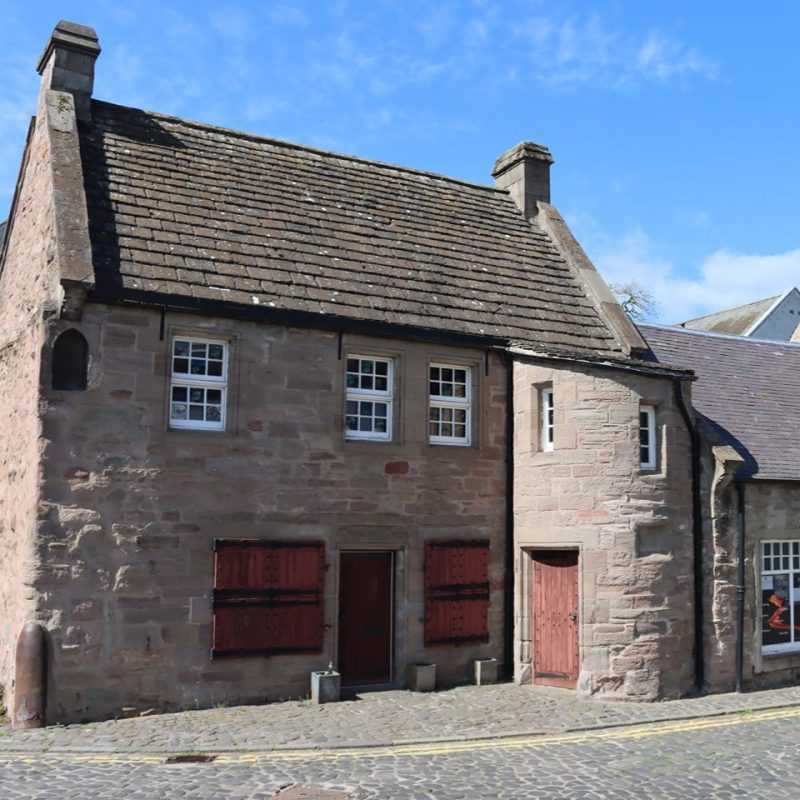
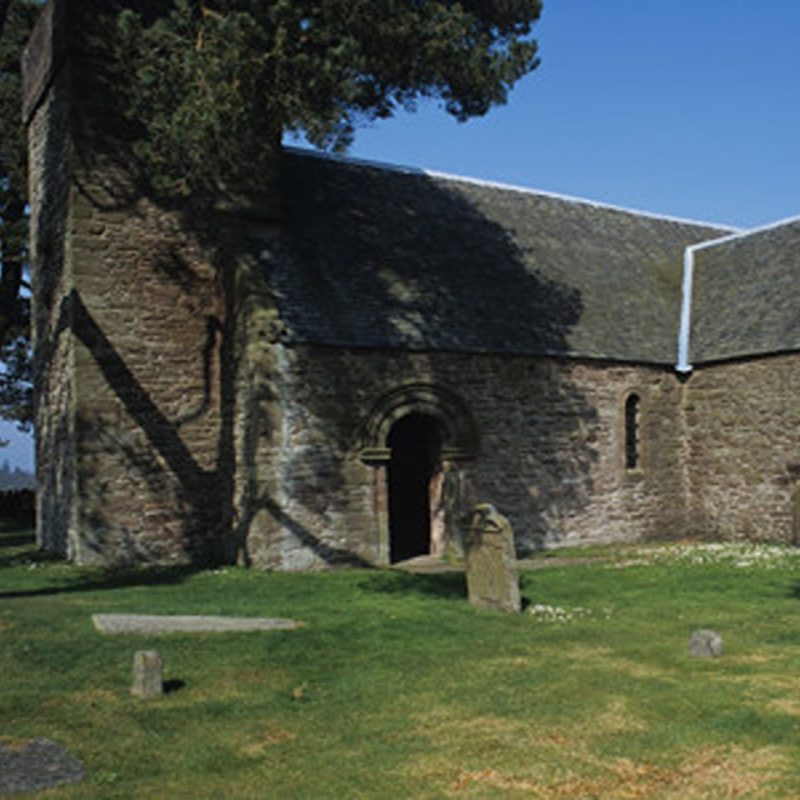
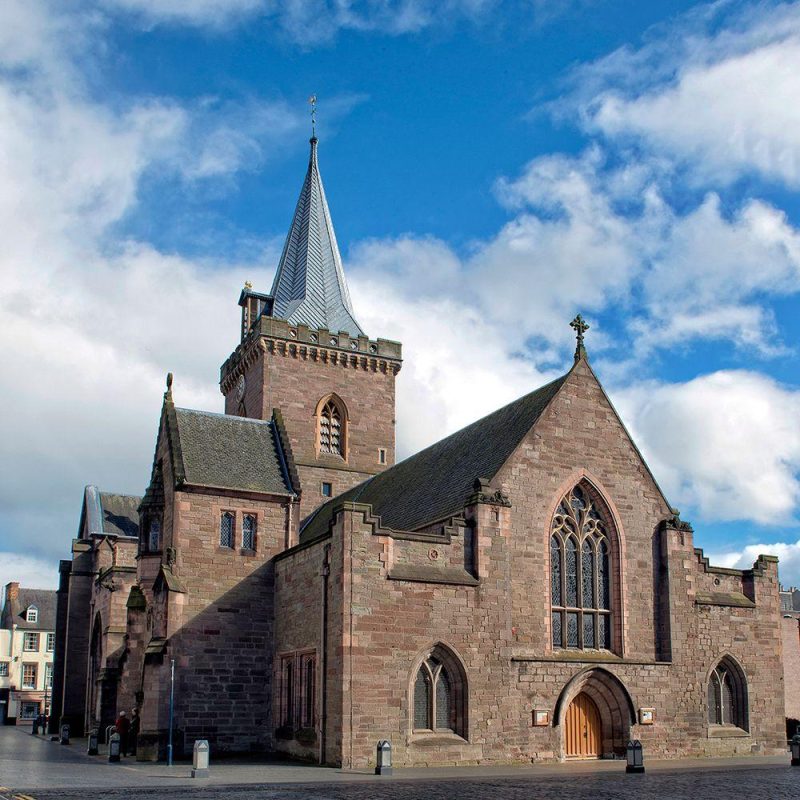
The name Perth derives from a Pictish word for wood or copse although during much of the later medieval period, it was known by its residents as St John’s Toun, or Saint Johnstoun, thanks to the church at the centre of the parish, which was dedicated to St John the Baptist. You can still visit and take service at the beautiful 15th-century St John’s Kirk today - and keen football fans will know that the name remains very much in the heart of many locals!
Reach out into the wider area and you will find a wealth of information that illustrates Scotland’s untamed past, its bloody history and its exciting journey from the Iron Age to the Jacobite rebellion and through to the Victorian period and beyond.
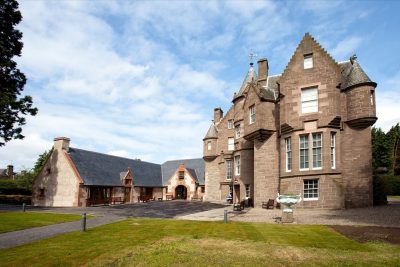
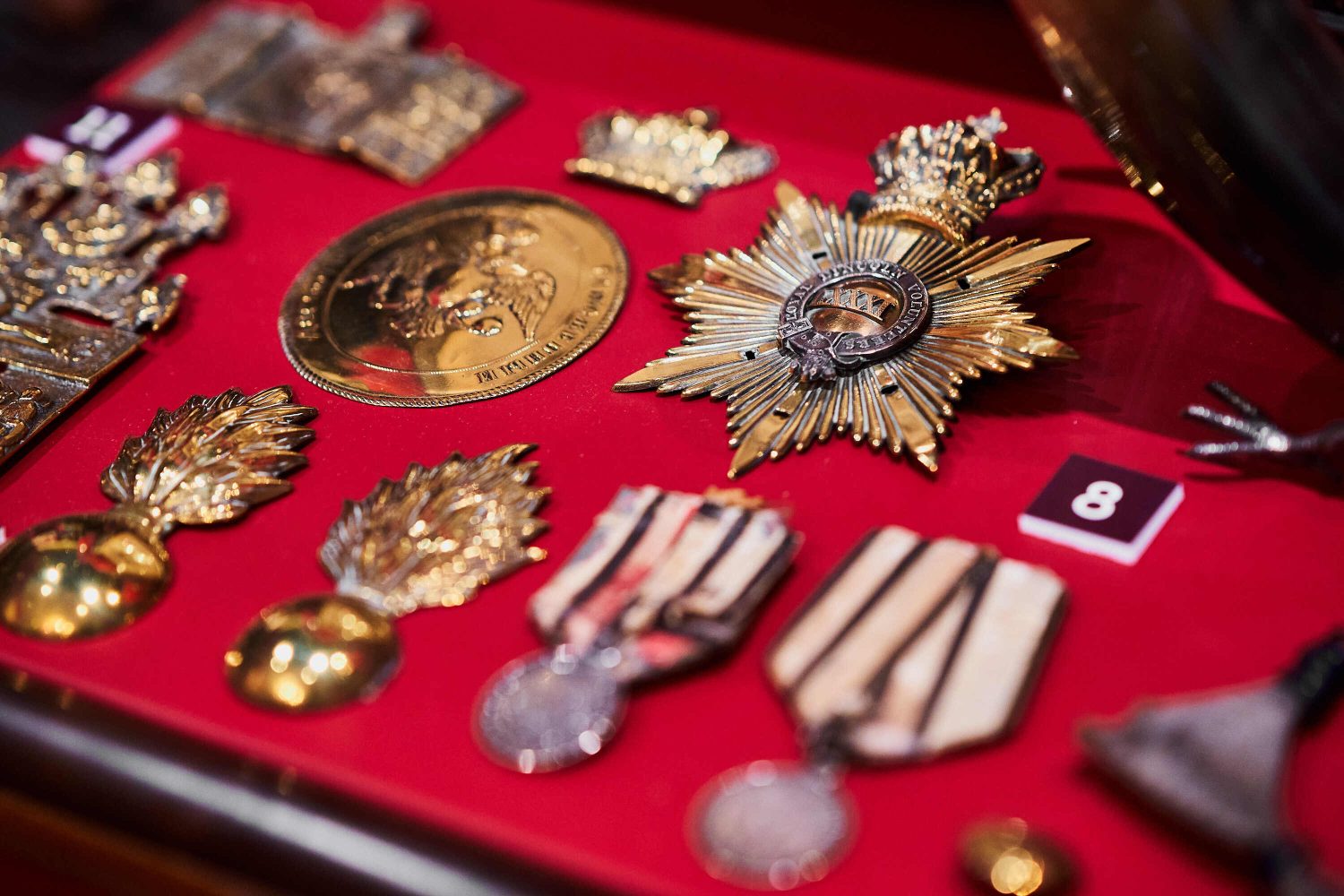
It is here in Perthshire that Scottish kings were crowned and toppled, where Iron Age loch dwellers left their mark, and where the Black Watch (Royal Highlanders) was officially formed in 1739.
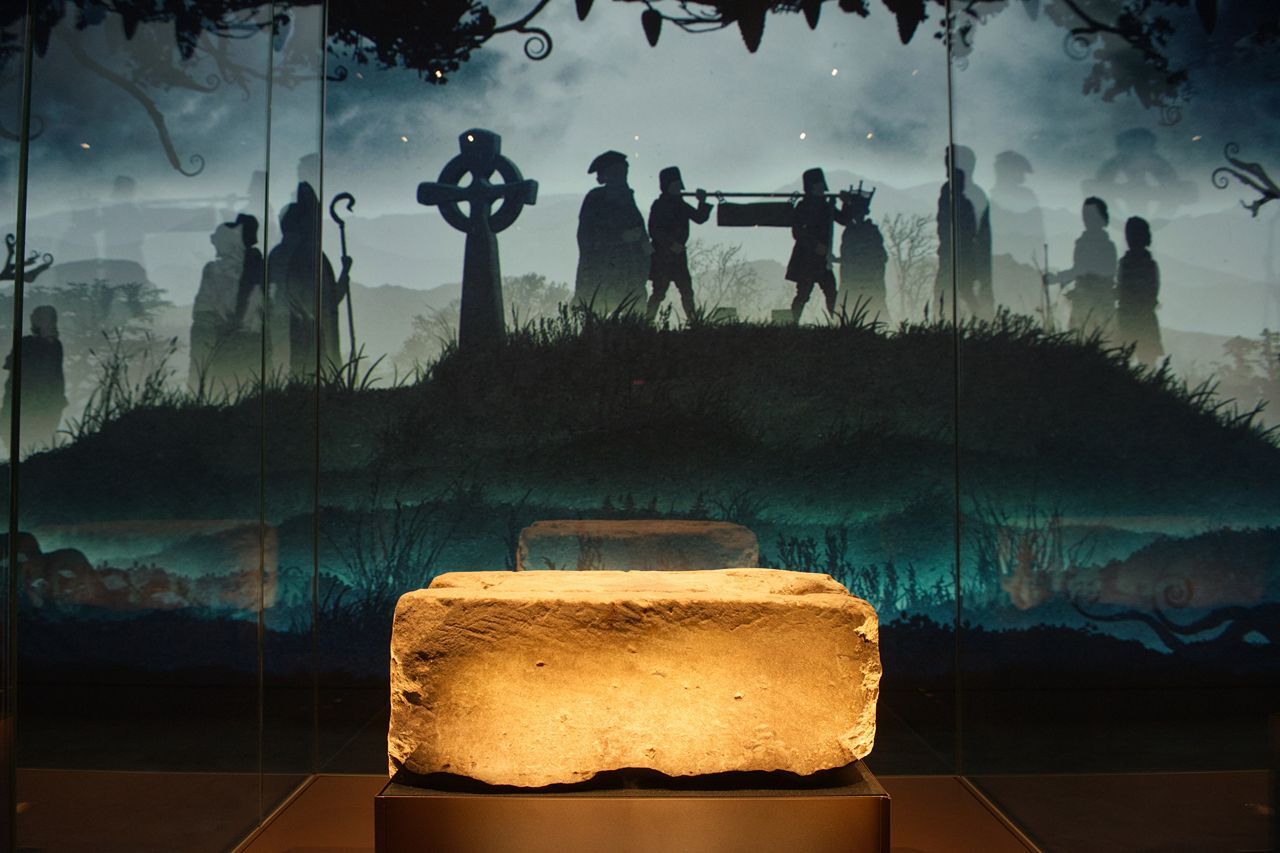
The Stone of Destiny by Rob McDougal
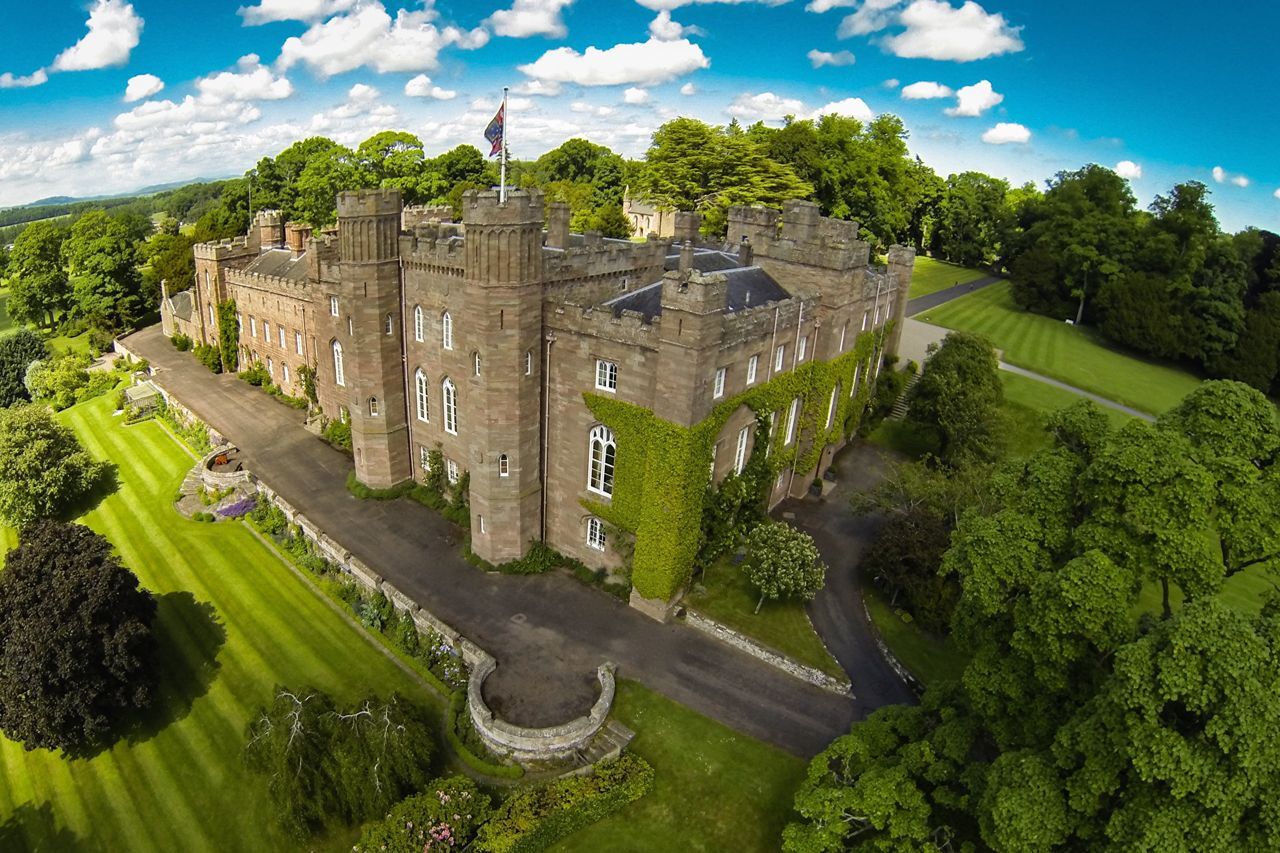
Scone Palace
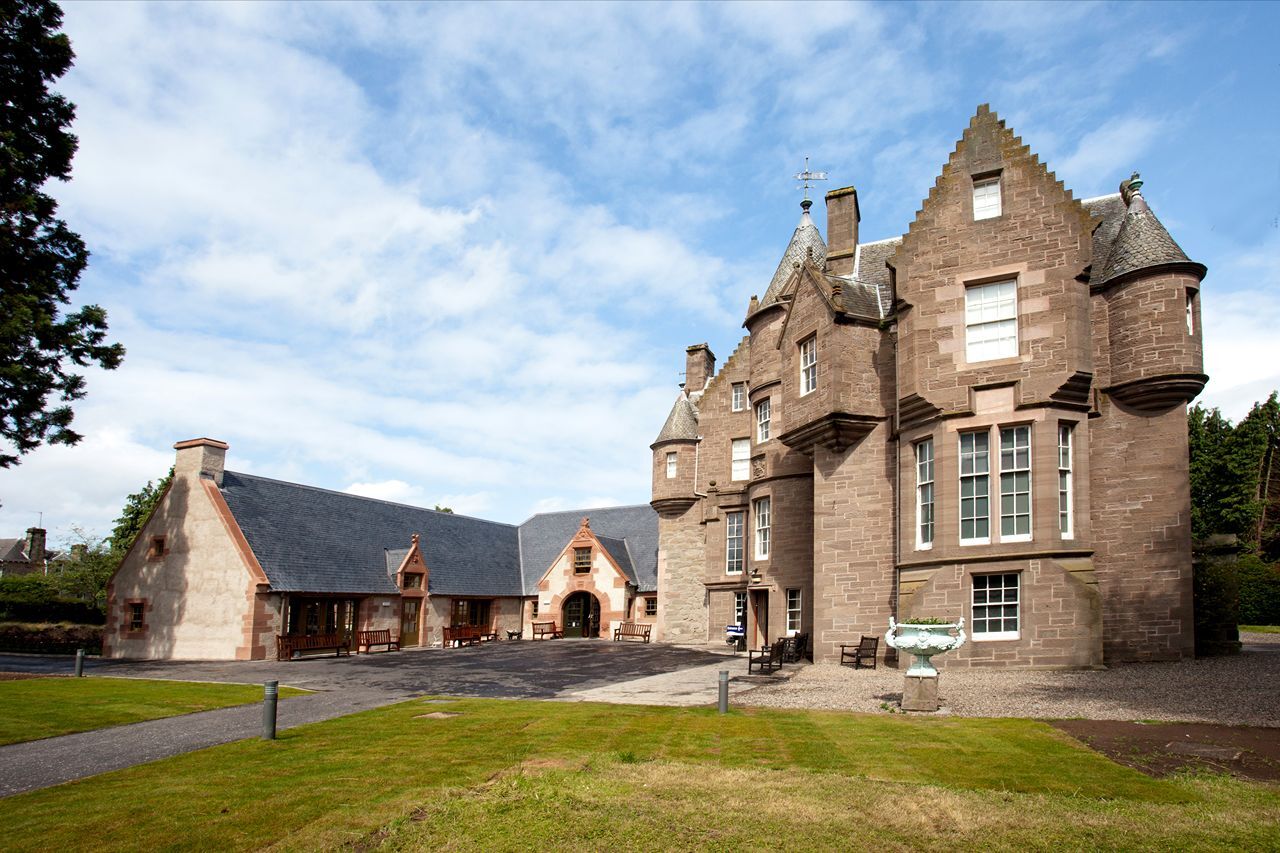
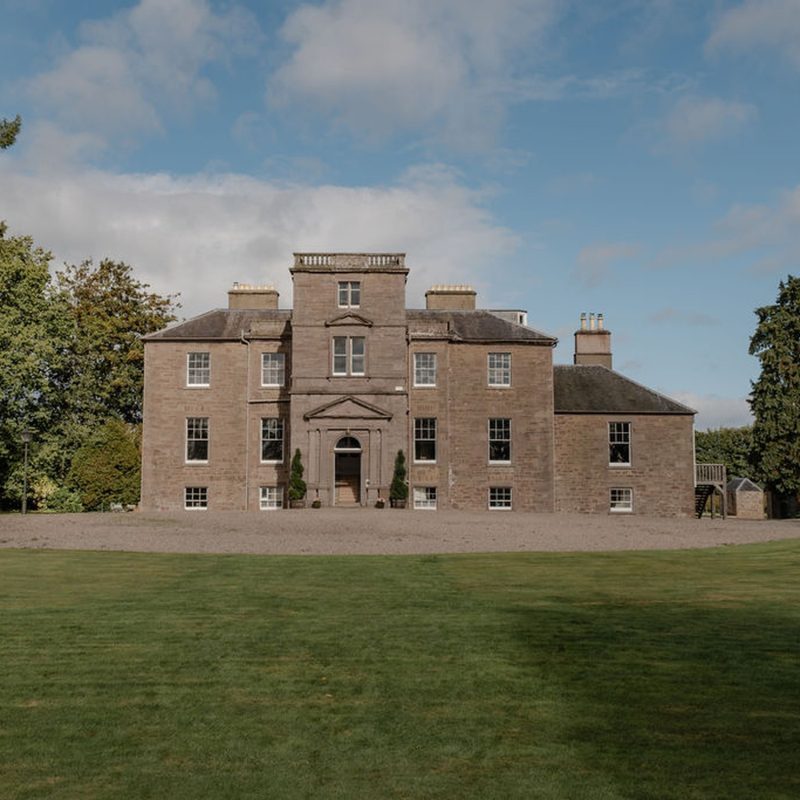
Balhousie Castle
Perth Museum
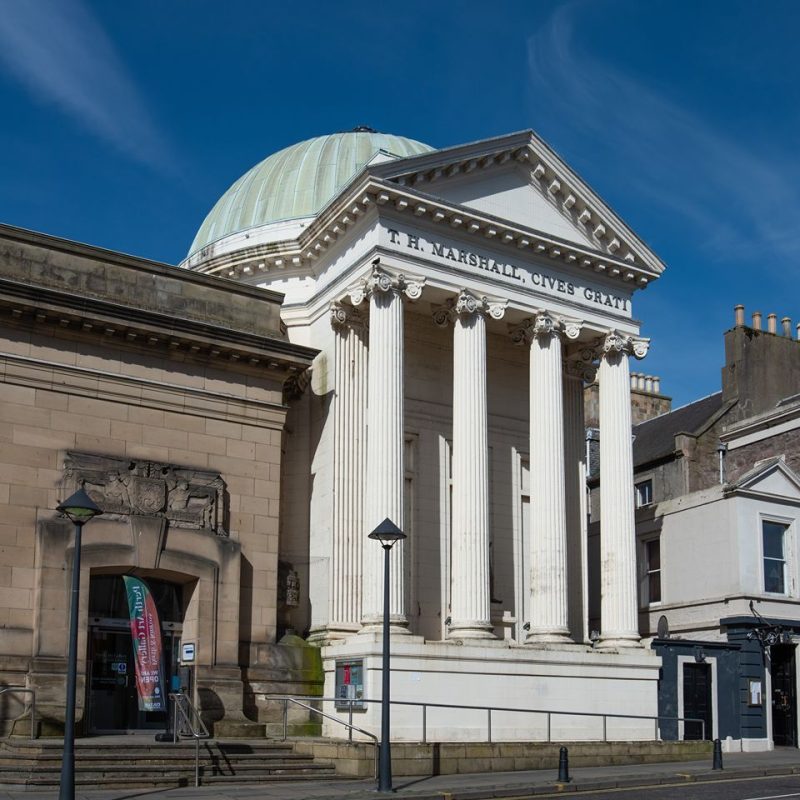
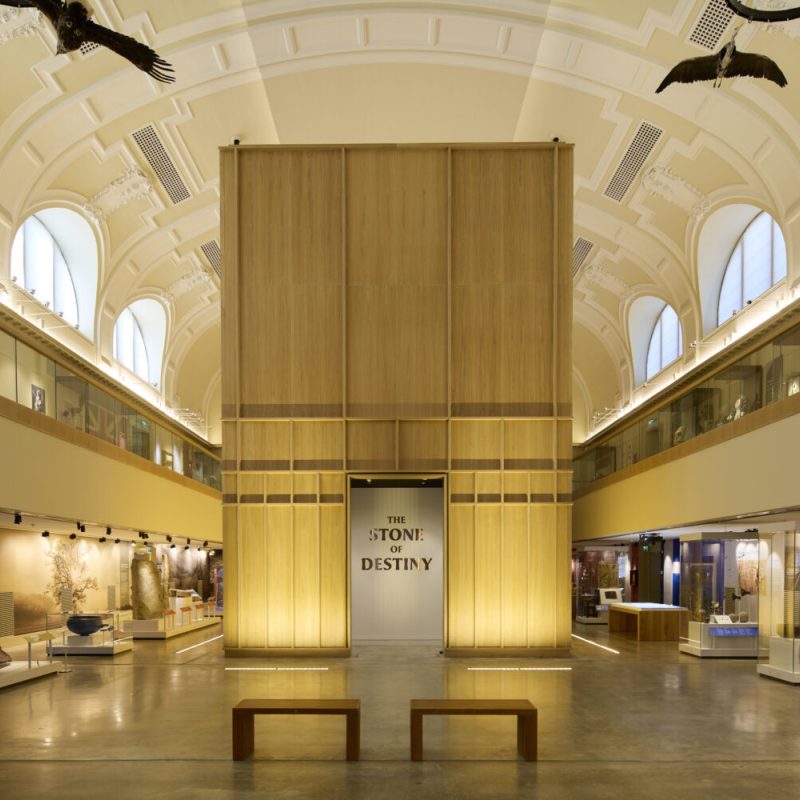
To understand Scotland’s story, start in Perth. Home to the Stone of Destiny, Perth Museum brings together the people, places and events that shaped the nation.
For centuries, the Stone of Destiny played a central role in the crowning of Scottish monarchs at nearby Scone and remains one of Scotland’s most powerful national symbols. Through world-class exhibitions, remarkable objects and immersive storytelling, Perth Museum helps visitors connect with the events, characters and moments that shaped Scotland’s past.
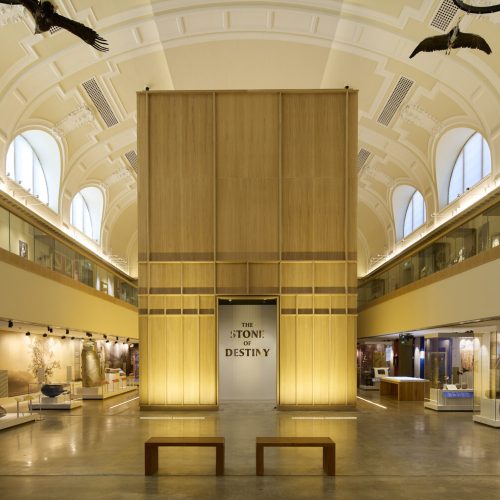


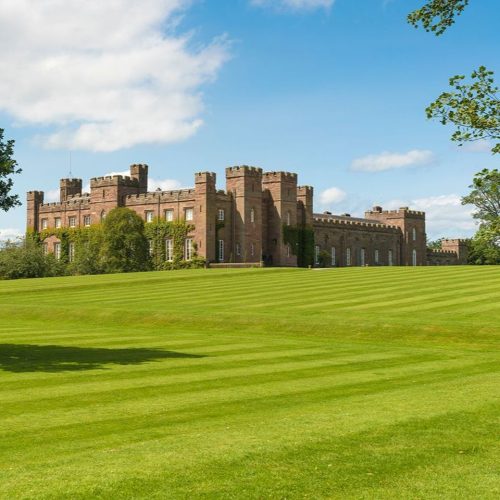
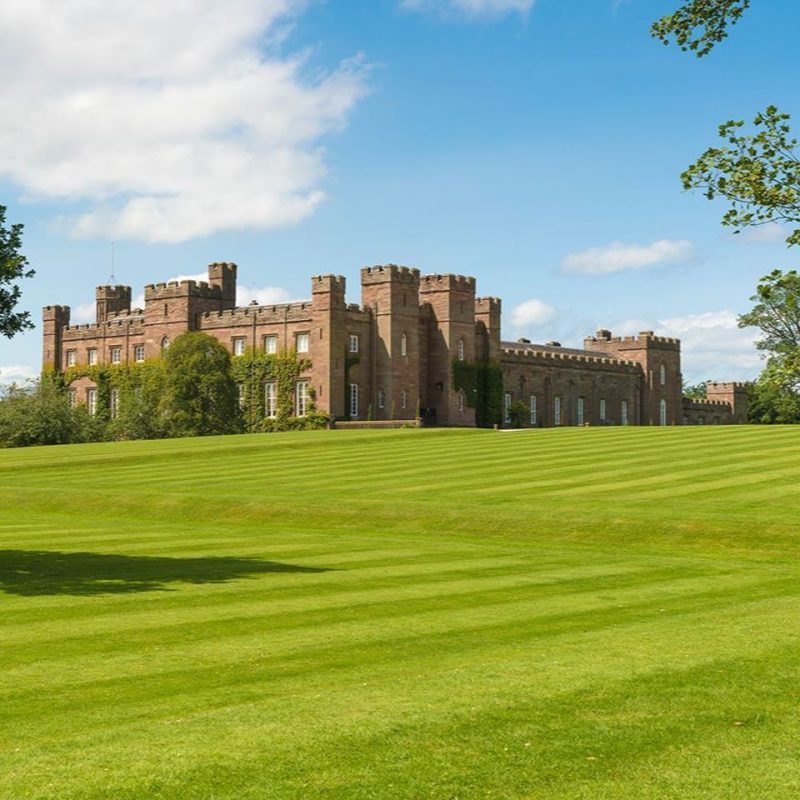
Scone Palace
Few places are more important to Scotland’s story than Scone Palace. For centuries, this was the crowning place of Scottish kings, where rulers were inaugurated upon the Stone of Destiny and where some of the nation’s most significant events unfolded.
Today, visitors can explore the palace, gardens and grounds while discovering the stories that helped shape Scotland. Scone Palace is just one of many remarkable heritage sites across Perth and Kinross.
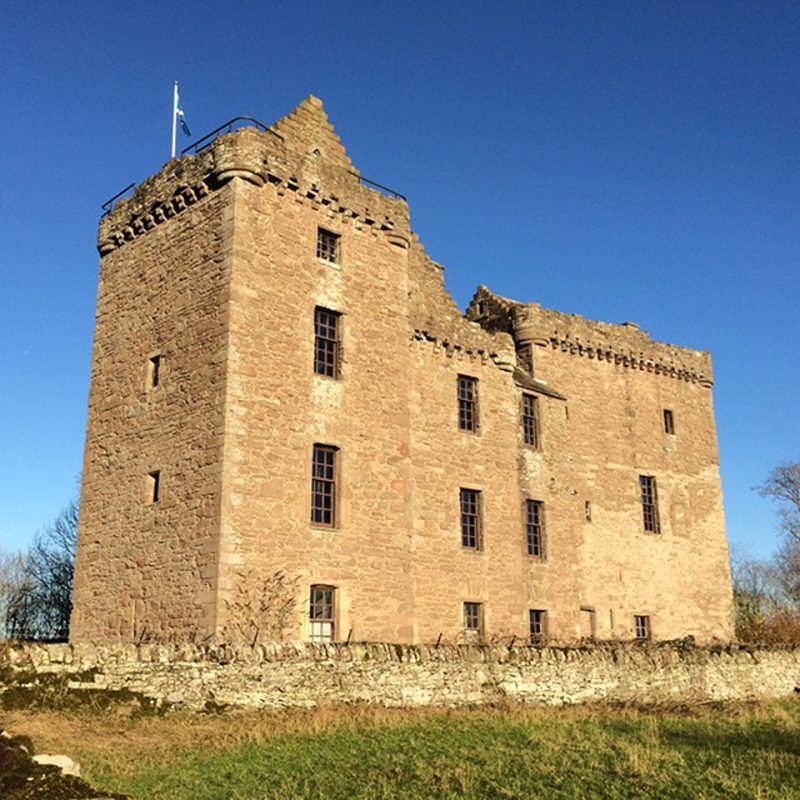
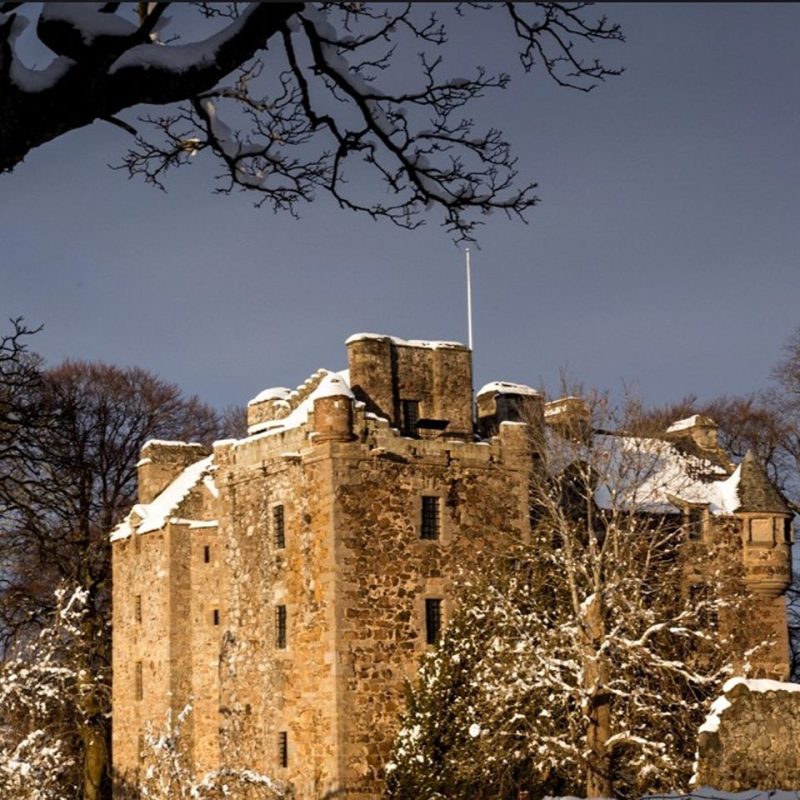
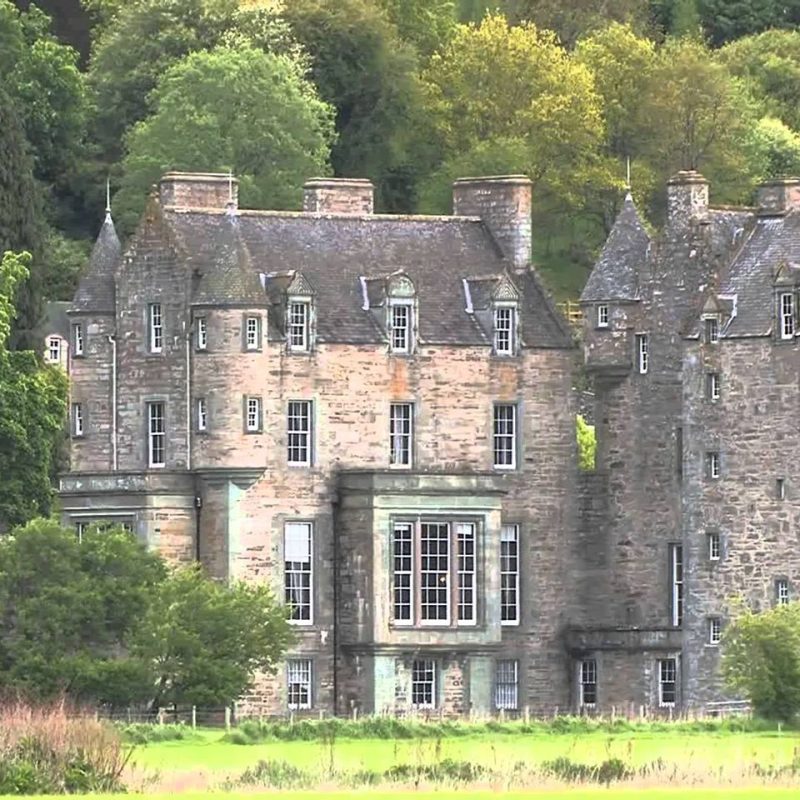
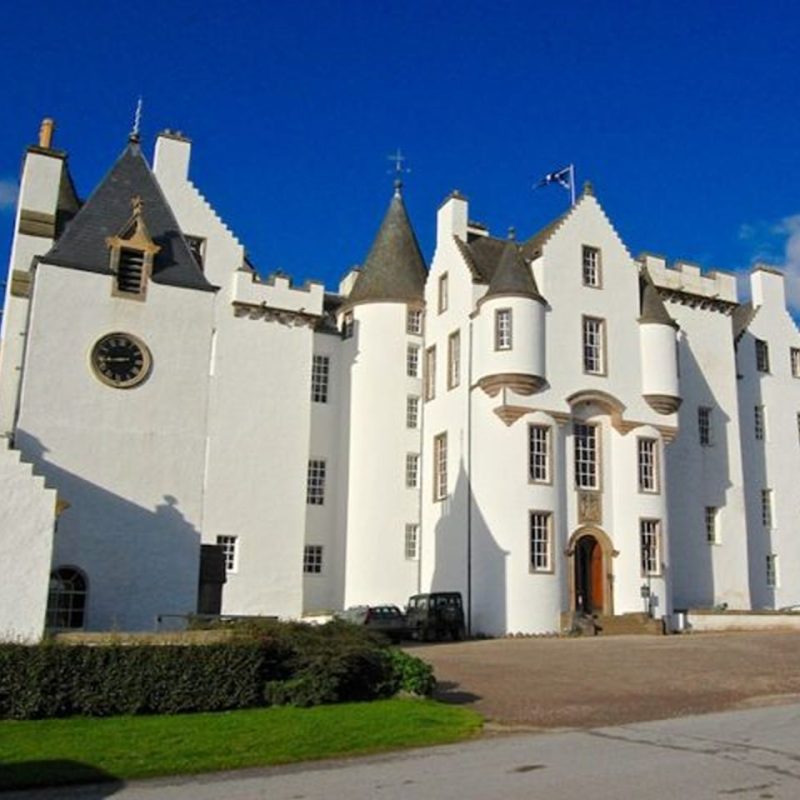
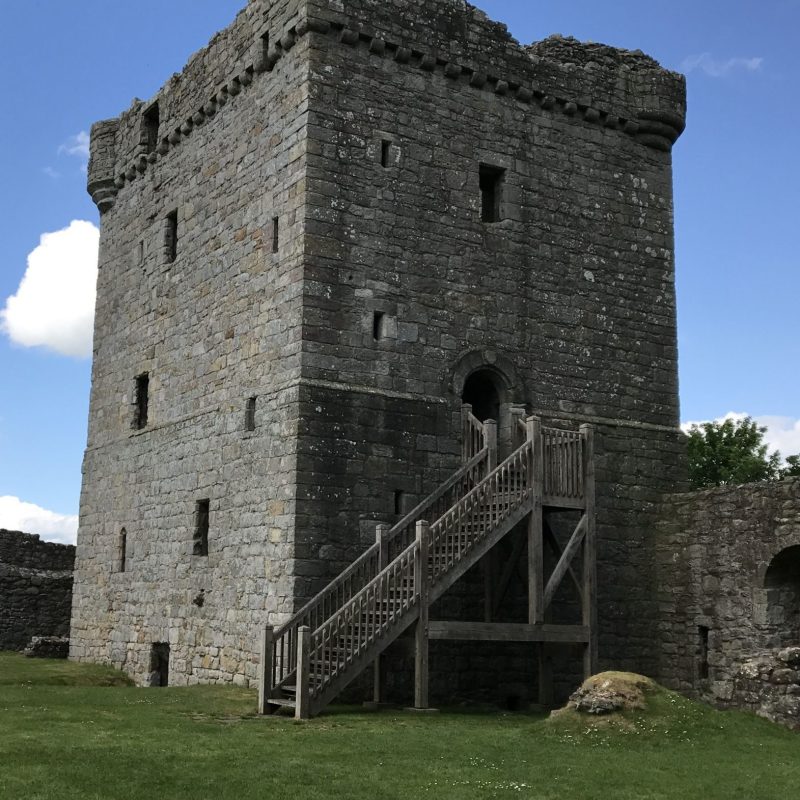
The wider region is home to an extraordinary collection of castles and historic landmarks, from grand estates and medieval strongholds to places of royal intrigue and military significance. Highlights include The Black Watch Castle & Museum, celebrating the history of Scotland’s famous regiment, and Loch Leven Castle, where Mary Queen of Scots was famously imprisoned before her dramatic escape.

Scottish Crannog Centre
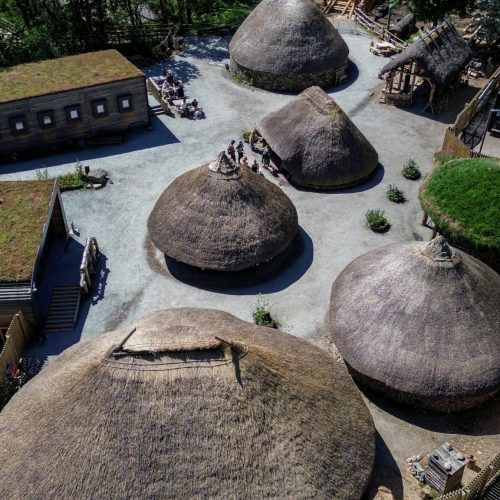
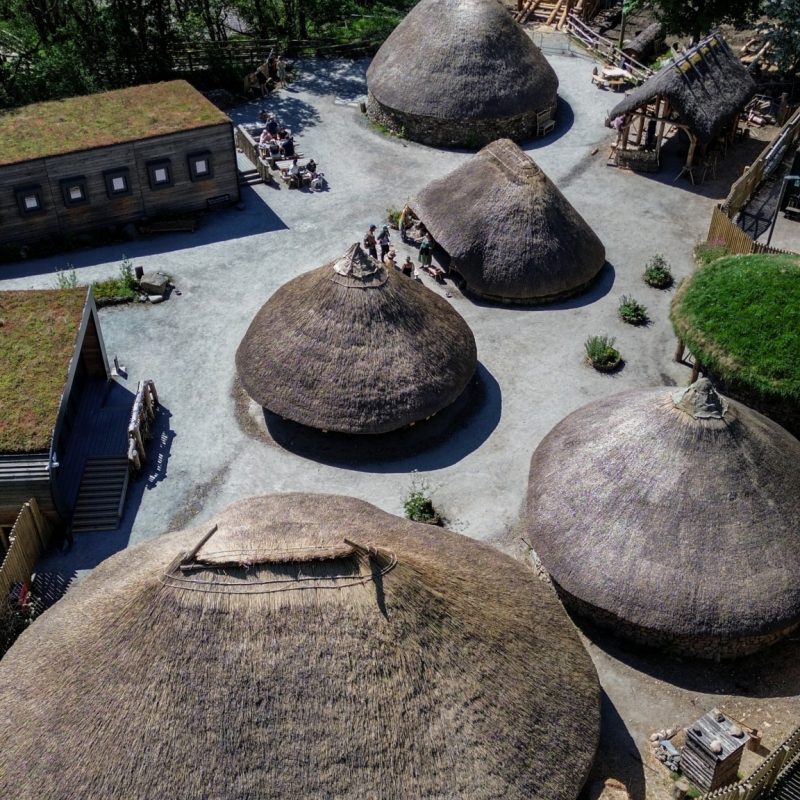
Travel even further back in time at the Scottish Crannog Centre, where Scotland’s prehistoric past is brought vividly to life. Through reconstructed dwellings, archaeology and hands-on experiences, visitors can discover how Iron Age communities lived, worked and thrived on the waters of Loch Tay.
It’s just one of many heritage attractions across Perth and Kinross that reveal different chapters of Scotland’s story. From museums and ancient monuments to historic houses and cultural landmarks, there are countless opportunities to explore the people, places and events that shaped the nation.